
Measuring Studio and Gallery Rooms Before Any Panel Goes Up
Acoustic optimisation at dailfra now starts with a measured survey of the studio and the gallery, so treatment is chosen from room data rather than guesswork about echo and noise.
5 minutes to read
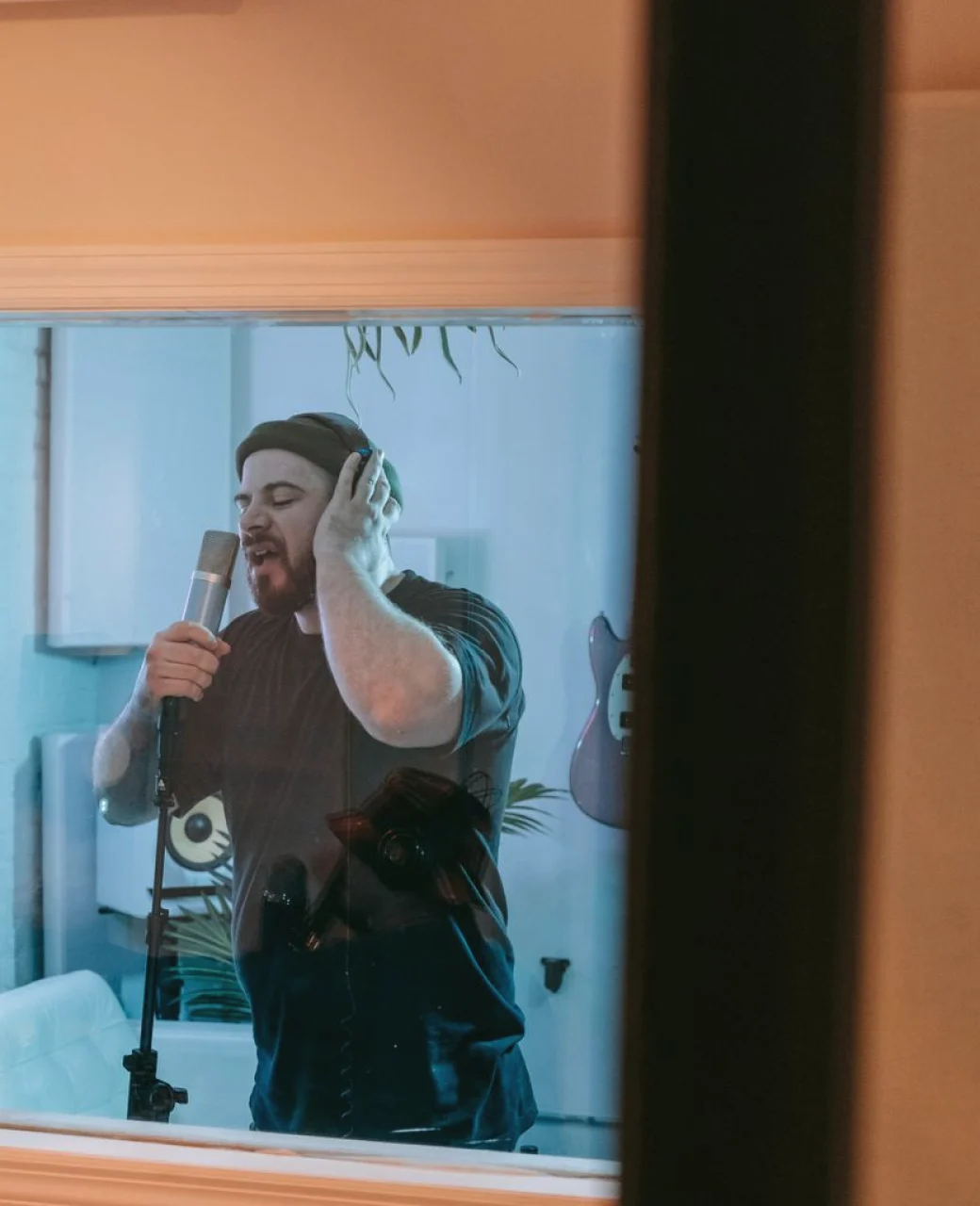
What has changed in how we begin
Over the past few months we have settled on a fixed way of opening every acoustic job. Before anyone talks about foam, absorbers or diffusers, we spend time in the room with measuring microphones and a test signal. The aim is simple: find out how the studio and the gallery really behave when a presenter speaks, a door closes and the air handling runs.
This is part of our acoustic optimisation work, which covers measurement and treatment of studio and gallery rooms to control echo, noise and speech clarity. Duncan Forbes, our acoustics consultant, leads the survey. I join him on most visits because lighting grids, camera positions and set walls all change what a room does with sound, and I would rather hear that early than discover it during rehearsal.
The result is a short written report for the producer or venue manager. It names what we measured, where, and what we recommend, in terms a non-specialist can follow.
What we measure and where
A survey normally covers decay time across the speech range, background noise with the studio running as it would on a live day, and a listening check at the presenter positions. We take readings at the desk, the interview chairs and the standing mark, because a room can be perfectly usable at one spot and muddy at another.
In the gallery we look at a different set of problems. Monitors, racks and fans create steady noise, and hard surfaces behind the operators can make talkback harder to follow. Clear intercom speech matters as much as a clean sound on air, since a gallery that cannot hear itself cannot call shots reliably.
We also note the building: thin partitions, shared corridors, rattling ductwork and glazing all send sound where it is not wanted.
- Decay time at several positions in the studio
- Background noise with equipment running
- Speech clarity at presenter and guest seats
- Gallery noise and intercom intelligibility
- Leakage through doors, walls and ducts
Why measuring first saves money
Treatment bought on instinct tends to go in the wrong place. A wall of absorbing panels behind the camera can leave the real problem, a bare floor and a flat ceiling facing each other, completely untouched. Measuring first lets us put material where the room needs it and leave alone the surfaces that are already doing their job.
It also stops over-treatment. A studio made too dead sounds unnatural and tires presenters, who start to push their voices. Most news and interview sets want a controlled room rather than a silent one, and the numbers tell us where that line sits.
Where a fix is cheap, such as a rug, a curtain or moving a monitor, we say so plainly. Not every problem needs a large installation.
From findings to a treatment plan
Once the survey is done we list the issues in order of how much they affect speech on air. The plan sets out which surfaces to treat, the type of treatment, and how it fits around lighting rigs, set pieces and camera movement. Treatment has to coexist with a working studio, so we check that panels do not block cable routes, vents or access to fixtures.
We agree the plan with the client before any work begins. Some clients prefer to phase it, starting with the worst spot and returning to the rest later, and the plan is written so it can be split that way without losing sense.
After installation we repeat the key measurements and compare them with the first set, so the client can see what changed.
- Priorities ranked by effect on speech
- Treatment placed around rigs and cable routes
- Option to phase the work in stages
- Repeat measurements after installation
Seasonal points for autumn and winter
Mid autumn is a good moment to look at a studio. Heating comes back on, windows stay shut and building systems that sat quiet over the summer start to hum. A room that sounded fine in July can have a new low drone from a fan or radiator pipe by November, and it shows up on a sensitive microphone.
Venues that host live shows over the winter also tend to fill with extra people, coats and equipment, which changes the room slightly. A survey taken with the studio set as it will really be used gives the most honest picture.
If you are planning a new series for the new year, the weeks before rehearsals begin are the easiest time to fit treatment without losing air time.
What to have ready for a survey
A visit goes faster when we know a little in advance. A simple floor plan helps, even a sketch, along with notes on where presenters sit and where cameras move. Tell us about any complaints you already have: an echo on one chair, a hum that appears at certain times, or an intercom that is hard to follow.
We need access to the studio and gallery with the usual equipment switched on, and ideally a period of quiet so that the measurements are not disturbed by other activity in the building. A visit usually fits within part of a working day.
Afterwards we send the written findings and are happy to talk them through by phone or in the room.
- A plan or sketch of the studio and gallery
- Positions of presenters, guests and cameras
- Known problems and when they occur
- Access with equipment running and the room quiet
Measurement now comes first in all our acoustic work, and we think it makes the rest of the job easier to explain and to judge. If your studio or gallery has an echo, a hum or speech that is hard to follow, get in touch through the contact page and we can arrange a survey and send you the written findings.
Ask for a quote
- Call us
- 01738 450172
- Write to us
- [email protected]